Warehouse Management Systems (WMS): Benefits, Features & How They Work
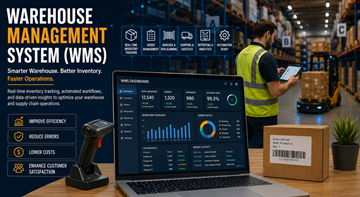
In this guide, we explain what a Warehouse Management System is, how WMS software works, its main features, advantages, implementation process, and why WMS technology has become essential for modern warehousing and logistics companies.
What Is a Warehouse Management System (WMS)?
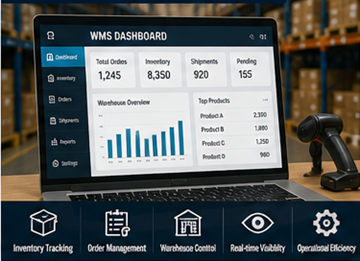
A Warehouse Management System, commonly called WMS, is software designed to manage warehouse operations, inventory tracking, order processing, and logistics workflows inside storage and fulfillment facilities.
WMS software helps businesses control inventory movement from the moment products arrive at the warehouse until they are shipped to customers.
- Inventory tracking
- Warehouse organization
- Order management
- Barcode scanning
- Shipment coordination
- Real-time stock visibility
- Warehouse automation support
Why WMS Is Important in Modern Logistics
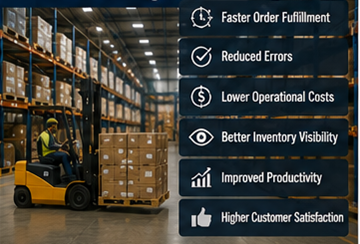
Modern warehouses handle large volumes of inventory and customer orders every day. Without digital warehouse management systems, companies may experience inventory errors, shipment delays, and operational inefficiencies.
WMS software improves warehouse visibility and helps logistics teams manage operations more accurately and efficiently.
- Faster order fulfillment
- Reduced inventory mistakes
- Improved warehouse productivity
- Better inventory visibility
- Lower operational costs
- Enhanced customer satisfaction
How a Warehouse Management System Works
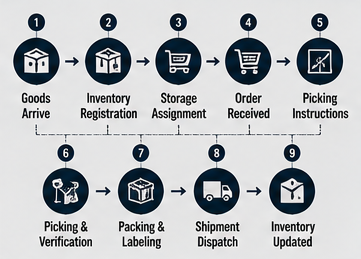
A WMS controls and monitors warehouse operations through digital workflows, inventory databases, barcode systems, and real-time logistics tracking.
- Products arrive at the warehouse
- Inventory is scanned and registered
- Storage locations are assigned automatically
- Inventory levels are updated in real time
- Customer orders enter the system
- Workers receive picking instructions
- Products are packed and labeled
- Shipments are tracked and dispatched
- Inventory updates automatically after shipment
Modern WMS platforms integrate with barcode scanners, mobile devices, RFID systems, robots, transport software, and e-commerce platforms.
Main Features of WMS Software
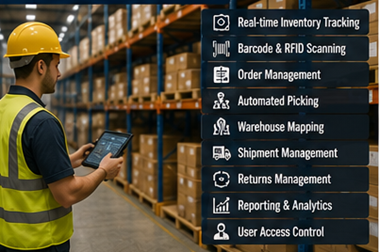
Warehouse Management Systems include many features designed to improve inventory control and warehouse efficiency.
- Real-time inventory tracking
- Barcode and RFID scanning
- Order management
- Automated picking instructions
- Warehouse mapping
- Shipment management
- Inventory forecasting
- Returns management
- Reporting and analytics
- User access management
Advanced WMS platforms may also include artificial intelligence, predictive analytics, and warehouse automation integrations.
Inventory Management and Stock Control
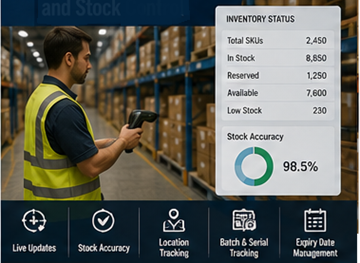
One of the most important functions of a WMS is inventory management. Businesses must know exactly where products are stored and how much inventory is available at all times.
Real-time stock visibility reduces the risk of inventory shortages, overstocking, and incorrect shipments.
- Live inventory updates
- Automatic stock adjustments
- Batch and serial tracking
- Inventory location mapping
- Stock movement history
- Expiration date management
Order Picking and Fulfillment with WMS

WMS systems optimize warehouse picking and fulfillment operations by guiding workers to the correct inventory locations.
Digital picking instructions improve speed and reduce mistakes during order preparation.
- Batch picking
- Zone picking
- Wave picking
- Barcode verification
- Automated route optimization
- Mobile picking systems
Efficient picking operations are critical for fast delivery and customer satisfaction in e-commerce logistics.
Warehouse Automation and Robotics

Many modern warehouses combine WMS software with automation technologies and robotics systems.
Warehouse robots can move inventory, sort packages, transport pallets, and assist workers with repetitive warehouse tasks.
- Automated conveyors
- Warehouse robots
- AI-powered inventory systems
- Automated sorting machines
- Robotic pallet handling
- Smart warehouse technology
Benefits of a Warehouse Management System
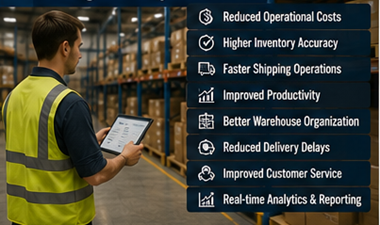
A Warehouse Management System improves efficiency across warehouse operations, logistics management, and order fulfillment.
- Reduced operational costs
- Higher inventory accuracy
- Faster shipping operations
- Improved employee productivity
- Better warehouse organization
- Reduced delivery delays
- Improved customer service
- Real-time reporting and analytics
WMS for E-Commerce Logistics
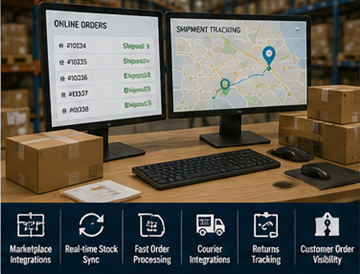
E-commerce businesses rely heavily on WMS software to process online orders quickly and accurately.
As online shopping grows, warehouses must handle high order volumes, returns management, and fast delivery expectations.
- Marketplace integrations
- Real-time stock synchronization
- Fast order processing
- Courier integrations
- Returns tracking
- Customer order visibility
Challenges of WMS Implementation
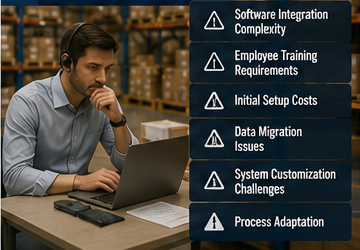
Although WMS software offers many advantages, implementation can also present operational and technical challenges.
- Software integration complexity
- Employee training requirements
- Initial setup costs
- Data migration issues
- System customization challenges
- Warehouse process adaptation
Successful WMS implementation requires planning, staff training, and proper warehouse workflow optimization.
Future of Warehouse Management Systems

Warehouse Management Systems continue to evolve through artificial intelligence, cloud computing, robotics, and predictive analytics technologies.
Future WMS platforms are expected to become smarter, more automated, and more connected to transport, fulfillment, and supply chain systems.
- AI-driven warehouse optimization
- Cloud-based WMS platforms
- Predictive inventory analytics
- Autonomous warehouse robots
- IoT-connected logistics systems
- Real-time supply chain visibility
Conclusion
Warehouse Management Systems are essential tools for modern warehousing, logistics, fulfillment, and inventory management operations.
From inventory tracking and order fulfillment to automation and real-time analytics, WMS software helps businesses improve efficiency, reduce costs, and deliver better customer experiences.
FAQ
What is a Warehouse Management System?
A Warehouse Management System (WMS) is software used to manage warehouse operations, inventory tracking, and order fulfillment processes.
Why is WMS important in logistics?
WMS improves inventory accuracy, warehouse productivity, order fulfillment speed, and overall logistics efficiency.
What features does WMS software include?
Typical WMS features include inventory tracking, barcode scanning, shipment management, picking optimization, analytics, and warehouse automation integration.
Can WMS integrate with e-commerce platforms?
Yes, many WMS platforms integrate with e-commerce marketplaces, online stores, courier systems, and ERP software.
What industries use Warehouse Management Systems?
WMS software is used in e-commerce, retail, manufacturing, pharmaceuticals, food logistics, automotive logistics, and third-party warehousing industries.
What is the difference between ERP and WMS?
ERP systems manage overall business operations, while WMS software specifically focuses on warehouse management, inventory control, and fulfillment operations.
eXus Dev